


Business Phone Buyback and IT Asset Disposition in Australia: A Complete Guide for Companies
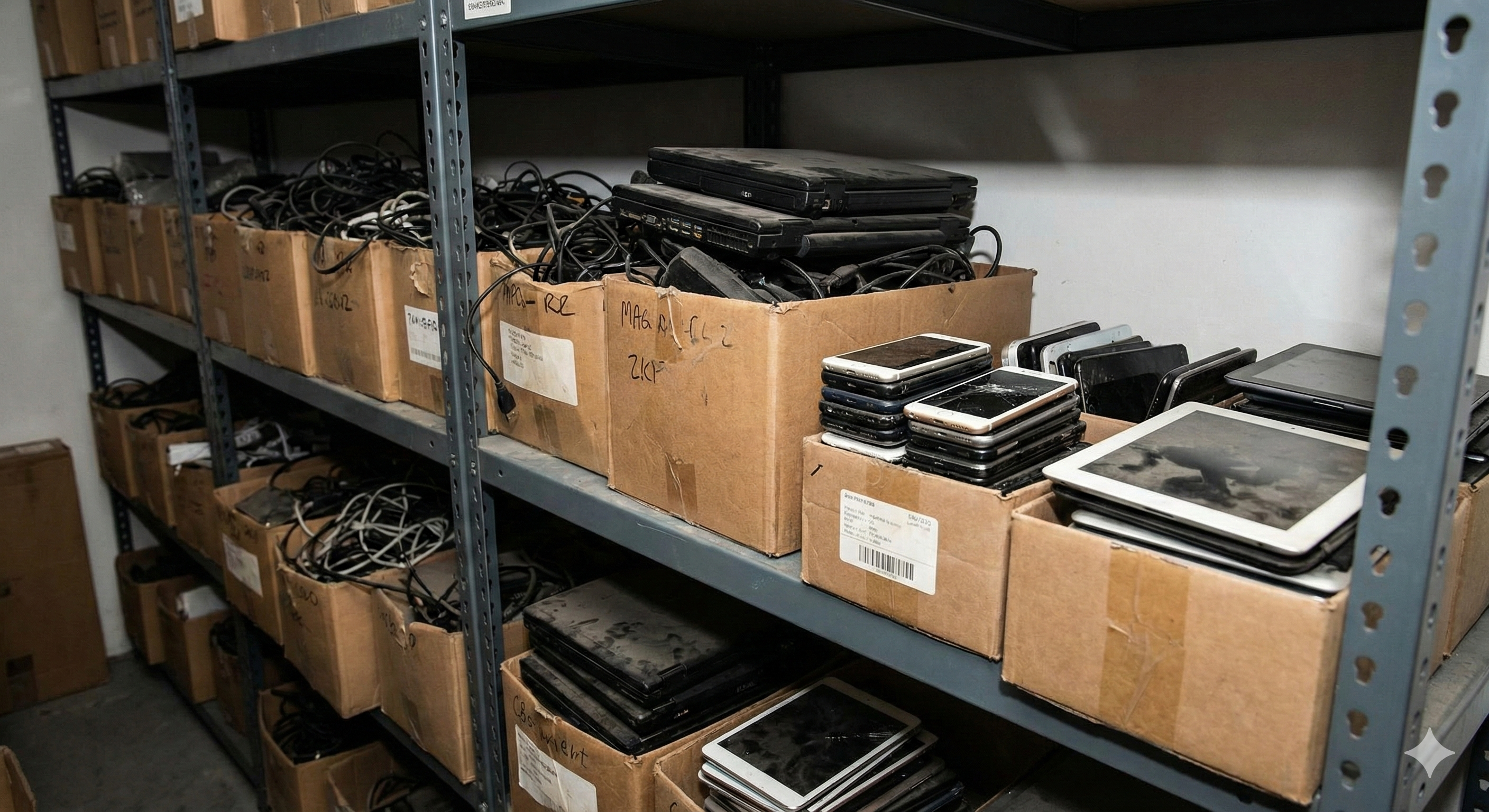
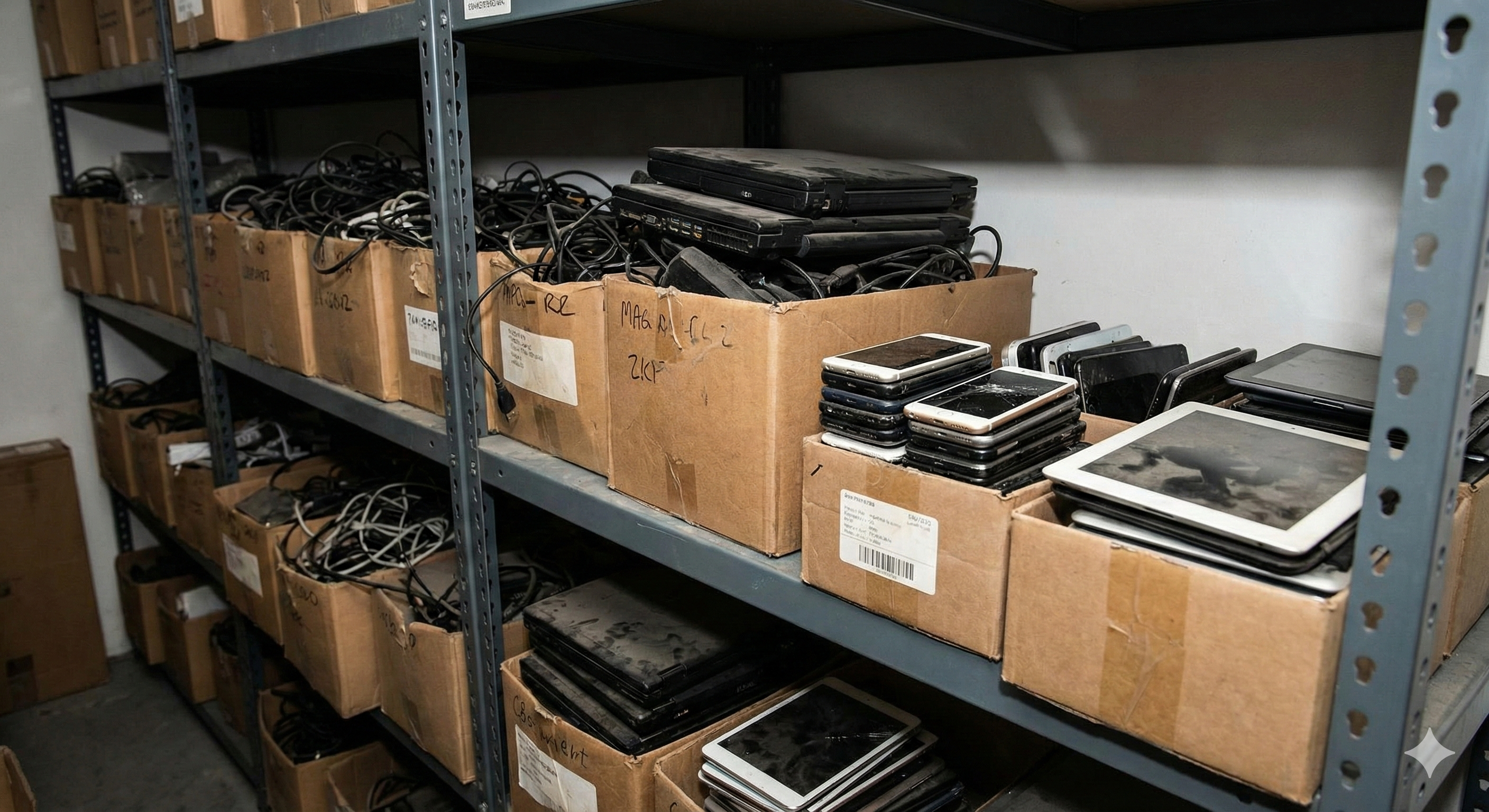
Modern businesses rely heavily on mobile devices. Smartphones, tablets, and laptops are now essential tools for communication, logistics, security, and daily operations. But as technology evolves, companies regularly upgrade their fleets — leaving them with surplus devices.
What happens to those old devices matters more than many organisations realise. Poor handling can lead to data risks, financial losses, and environmental impact.
This is where business phone buyback and IT asset disposition (ITAD) programs come in. They allow companies to recover value, protect sensitive data, and manage device lifecycles responsibly.
For Australian businesses, structured device lifecycle management is becoming a smart operational and financial strategy.
What Is Business Phone Buyback?
Business phone buyback programs allow organisations to sell their used devices in bulk to a professional provider. Instead of storing or discarding devices, companies receive financial return.
Devices may then be:
- Refurbished for reuse
- Used for parts recovery
- Responsibly recycled
This creates value from assets that would otherwise depreciate rapidly.
What Is IT Asset Disposition (ITAD)?
IT Asset Disposition, or ITAD, refers to the secure and responsible process of retiring IT equipment. This includes:
- Data destruction
- Asset tracking
- Remarketing or resale
- Recycling
ITAD ensures compliance, data security, and environmental responsibility.
Why Businesses Are Prioritising Device Lifecycle Management
1) Data Security Risks
Corporate devices contain sensitive information such as emails, client data, internal systems access, and financial records. Simply deleting files is not enough.
Professional data wiping ensures information is permanently removed.
2) Financial Recovery
Devices lose value quickly. Selling them at the right time allows companies to recover part of their investment.
3) ESG and Sustainability Goals
Environmental, Social, and Governance (ESG) reporting is increasingly important. Responsible device reuse supports sustainability objectives.
4) Operational Efficiency
Storing unused devices creates clutter and risk. Structured lifecycle management keeps IT environments clean and controlled.
How Business Device Buyback Works
Step 1: Inventory Assessment
Devices are logged by model, quantity, and condition.
Step 2: Valuation
A market-based quote is provided.
Step 3: Secure Data Wiping
Certified methods ensure data removal.
Step 4: Refurbishment or Recycling
Devices are restored or responsibly processed.
Start here: Exyon B2B Device Solutions
Benefits of Partnering With a Professional B2B Provider
- Secure data handling
- Bulk processing capability
- Transparent reporting
- Environmental compliance
- Value recovery
Professional handling reduces risk and simplifies logistics.
Who Needs Business Phone Buyback?
- Corporates upgrading staff devices
- SMEs refreshing hardware
- Government departments
- Education institutions
- Logistics and field teams
- Remote-first organisations
Timing Matters: When to Sell Devices
Best time to sell is before:
- Major new model launches
- Battery degradation
- End-of-support dates
Early resale maximises return.
Environmental Impact of Corporate Device Disposal
Electronics contain valuable materials and hazardous components. Improper disposal harms the environment.
Professional ITAD ensures:
- Responsible recycling
- Reduced landfill
- Resource recovery
This aligns with sustainability commitments.
Compliance and Risk Management
Businesses must protect client and employee data. Poor disposal practices can lead to breaches and reputational damage.
Structured ITAD provides audit trails and accountability.
How Exyon Supports Business Clients
Exyon provides structured B2B device solutions focused on:
- Secure handling
- Transparent grading
- Market-based pricing
- Responsible reuse
- Recycling where needed
Learn more: Business Device Trade-In
The Financial Case for Device Buyback
Many organisations underestimate the residual value of devices. Even older fleets can generate meaningful return when processed in bulk.
Recovered value can offset future IT investments.
The Future of Corporate Device Lifecycle Management
Lifecycle planning is becoming standard. Businesses now view devices as assets with resale value, not just consumables.
This shift improves financial efficiency and sustainability.
Final Thoughts
Corporate devices should not sit unused or be discarded casually. They hold financial and environmental value.
Business phone buyback and ITAD programs allow organisations to recover value, protect data, and support sustainability.
For Australian businesses, structured device lifecycle management is a smart operational decision.
Frequently Asked Questions
What is IT asset disposition?
ITAD is the secure and responsible retirement of IT equipment.
Can businesses sell large volumes of devices?
Yes, bulk processing is common.
Is data really wiped?
Professional services use certified data erasure.
Are broken devices accepted?
Often yes, though value varies.