


How Refurbished Phones Are Tested and Sourced in Australia: Behind the Scenes of Quality
When buying a refurbished phone, one of the most common questions is about quality. Many buyers wonder how these devices are sourced, tested, and prepared for resale.
The truth is that professional refurbishment today is a structured process supported by diagnostics, grading standards, and strong supply chains. High-quality refurbished devices do not happen by chance — they result from careful sourcing and testing.
This article takes you behind the scenes of how refurbished phones are prepared in Australia and why supply chain quality matters.
Where Do Refurbished Phones Come From?
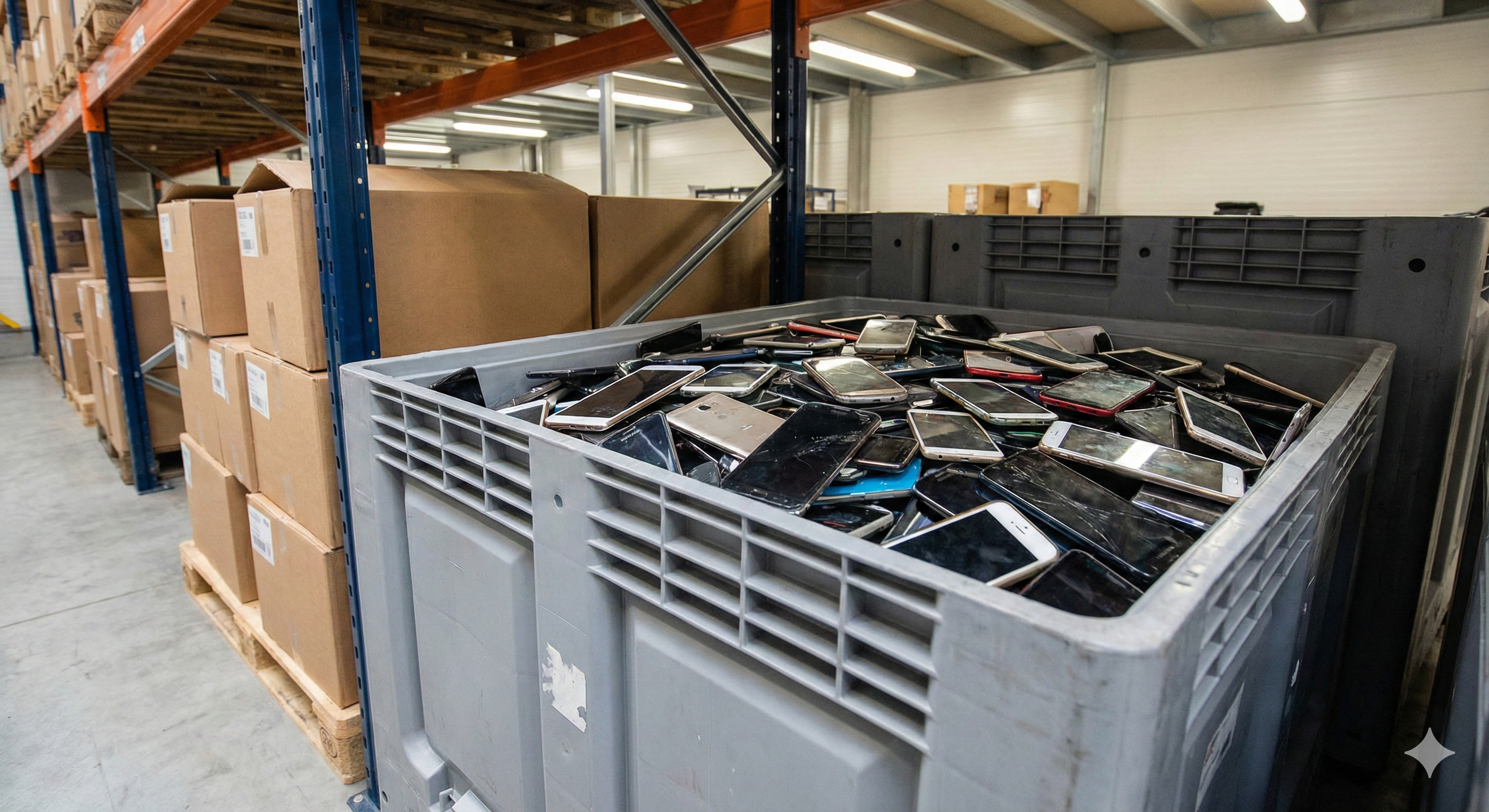
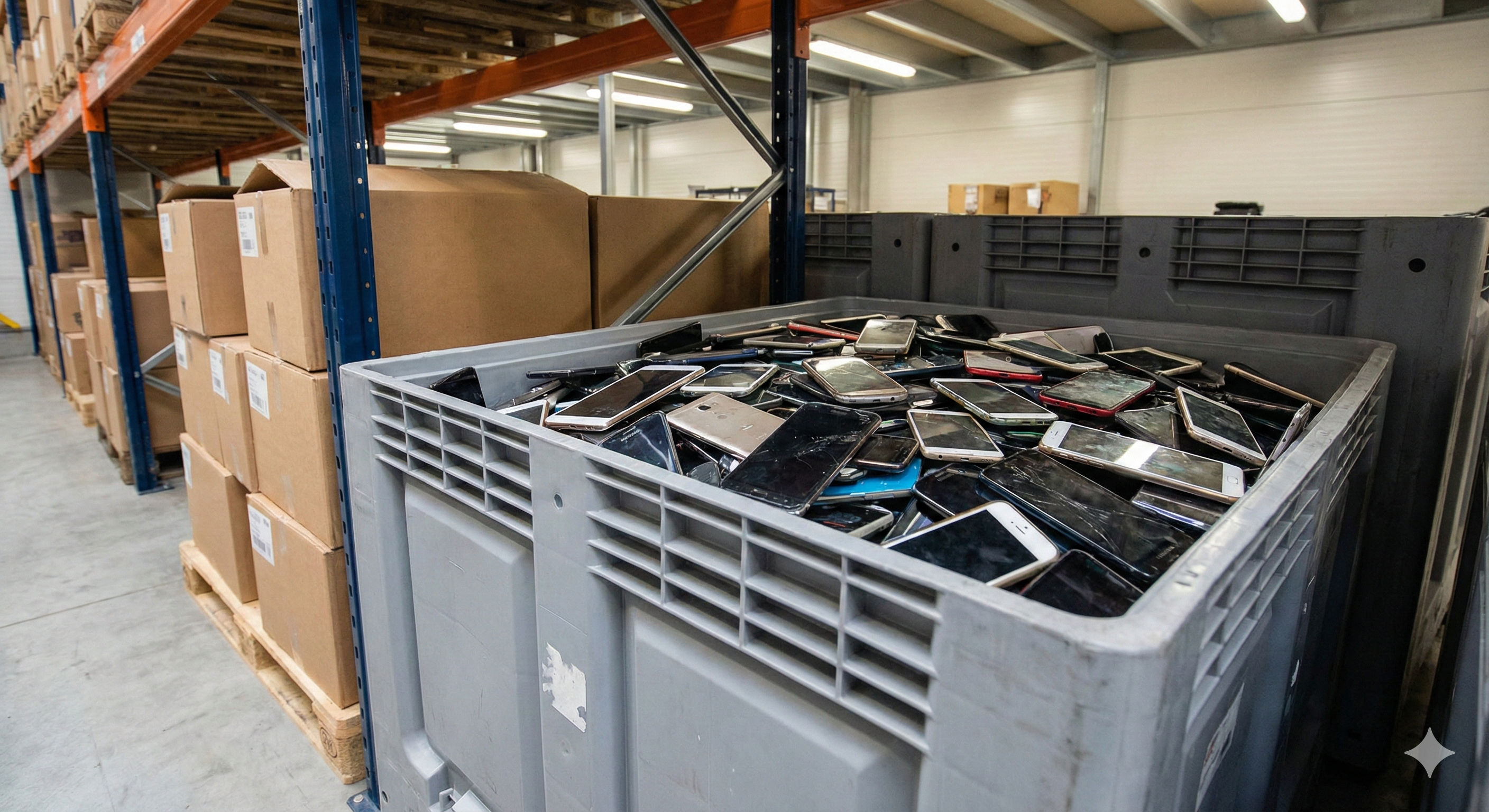
Refurbished phones typically come from:
- Trade-in programs
- Business device upgrades
- Carrier returns
- Early upgrades by consumers
Many of these devices are still highly functional. They enter refurbishment not because they are broken, but because their previous owner upgraded.
The Importance of Responsible Sourcing
Not all supply chains are equal. Reliable sourcing ensures devices are legitimate, properly handled, and suitable for refurbishment.
Strong sourcing practices help avoid:
- Counterfeit devices
- Stolen phones
- Poor-quality units
- Unrepairable stock
Responsible sourcing is the foundation of refurbished quality.
How Devices Are Tested
Professional refurbishment involves multi-point testing. Devices are checked for:
- Touchscreen responsiveness
- Battery performance
- Camera functionality
- Connectivity (Wi-Fi, Bluetooth, network)
- Buttons and sensors
- Charging performance
Diagnostics help identify issues early so only suitable devices proceed.
What Happens If a Fault Is Found?
If a device fails testing, it may:
- Have parts replaced
- Be used for parts recovery
- Be recycled responsibly
Only devices that pass final checks are resold.
The Role of Parts and Components
Replacement parts can impact performance. Professional refurbishers use quality components suitable for the device model.
Proper installation and calibration are equally important.
Data Security and Wiping
Before resale, devices undergo secure data erasure. This ensures previous user information is permanently removed.
Data security is critical for both consumers and businesses.
How Cosmetic Grading Works
Grading refers to visual condition, not functionality. Devices may show minor wear while still performing perfectly.
Transparent grading helps buyers set expectations.
Why Supply Chains Matter
A strong supply chain allows consistent quality and access to parts. It also improves turnaround times.
Partnerships in sourcing and parts supply help maintain standards.
The iMobile and Exyon Collaboration
Partnerships across the supply chain support consistent availability and refurbishment quality. Collaboration helps maintain device flow and parts access.
This contributes to reliable refurbished inventory for customers.
Quality Control Before Sale
Final checks ensure devices meet standards before listing. Only approved devices reach customers.
Browse available devices here: Shop Refurbished Phones
How This Benefits Buyers
- Reliable performance
- Better value
- Transparency
- Lower risk
Understanding the process helps buyers feel confident.
The Bigger Picture: Circular Technology
Refurbishment keeps devices in use longer and reduces e-waste. Strong supply chains make this possible.
This supports sustainability without sacrificing quality.
Final Thoughts
Quality refurbished phones are the result of proper sourcing, testing, and quality control.
When buyers choose reputable providers, refurbished can be a reliable and smart choice.
Frequently Asked Questions
Are refurbished phones tested?
Yes, professional refurbishment includes diagnostics and testing.
Are parts replaced if needed?
Yes, faulty components may be replaced.
Is data wiped?
Yes, secure erasure removes previous data.
Do cosmetic marks affect performance?
No, grading relates to appearance only.